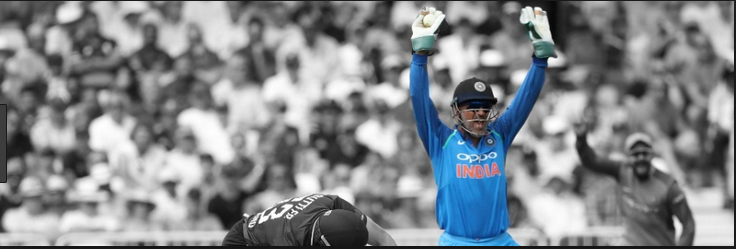
With a mature head on his shoulders and an astute and shrewd cricketing mind, Dhoni was recommended by senior players like Sachin Tendulkar and Rahul Dravid for captaincy after Rahul Dravid stepped down as skipper.
On his first assignment in the inaugural World T20 in 2007, Dhoni and his young troops romped to the title in a shock victory for the inexperienced Indian side, bringing about the T20 revolution in India. Dhoni’s calm and composed leadership was widely lauded in the cricketing fraternity after India brought the trophy home, earning him the label of ‘Captain Cool’. He was soon handed the ODI leadership as a natural move after his World T20 triumph, and after the retirement of Anil Kumble in late 2008, the Test leadership was thrust upon him too.
‘India may have gained a great captain, but they’ve lost a fearsome hitter’, remarked Harsha Bhogle after Dhoni was handed the reigns of the side. It was true. MS Dhoni, the powerful biffer of leather who could clear the area code with the willow, had now become a gritty accumulator, who seemed to be playing a lot more responsibly. At first, it did look like India had lost an important asset in Dhoni’s explosive batting. However, over the years, Dhoni delivered performances with his new reserved approach and developed the ability to move in and out of his rampage zone. He had inherited the good qualities of his accomplished seniors in the team – carving his game as per the requirement of the team.
Dhoni had a golden run as captain, with an unbeaten run in Test series since his captaincy debut, leading them to their first stint as the top-ranked Test team in the world. His winning streak included the home series against Australia in 2008, a 1-0 triumph in New Zealand in 2009, and a 2-0 victory against Sri Lanka at home, culminating in a comprehensive win at the Brabourne stadium, Mumbai, where he received the coveted Test Championship mace. India continued to dominate in home Tests after this and drew a series in South Africa, coming very close to their maiden series win in South Africa in the decider in Cape Town, where some stoic resistance by the hosts narrowly saved them from the a defeat at the hands of a rampaging Indian side in top form.
Dhoni continued to garner praise for his success across formats; especially for his clinical success in limited-overs cricket, reaching the pinnacle of his captaincy career during India’s path to glory in the 2011 World Cup. Dhoni’s India knocked out Australia, the holders of the World Cup since 1999, in the quarter-final in Ahmedabad. Having gone through a patch of lackluster form throughout the tournament, Dhoni peaked at the right time, exhibiting his usual sangfroid on the way to 91* in the World Cup final against Sri Lanka, and lofted an iconic six over long-on, triggering night-long celebrations all over Mumbai and the rest of India.
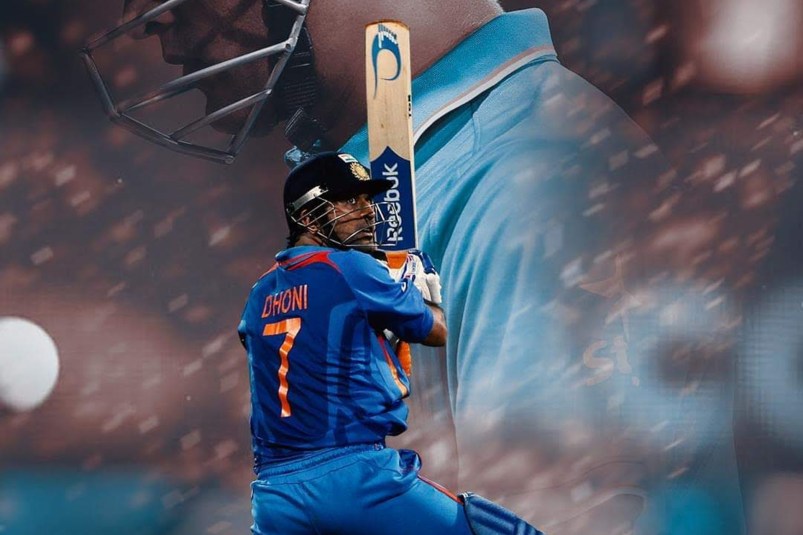
 MS Dhoni